Al Qusais: The City Of Shopping Malls
According to a recent report, shopping malls are facing a significant threat, potentially causing long-term implications for consumer culture.
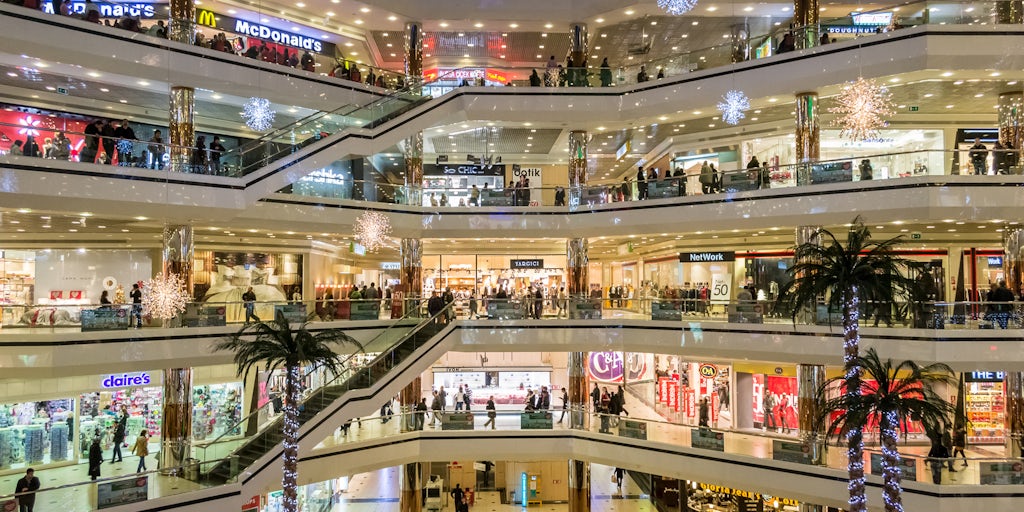
The report finds that shopping malls may be in deeper trouble than previously thought, and that they may struggle to regain their footing in the retail landscape. The reasons for this are varied, but most experts point to the continuing rise in e-commerce, the increasing popularity of street shopping, and changes in consumer behavior as major causes.
Demographics and Culture
The report also notes that demographic changes may be contributing to the decline of shopping malls. As millennials move into adulthood and begin to form households, their behavior in terms of shopping is changing. Many young people are putting off buying a house, getting married, or having children, which means that they have more disposable income to spend on experiences outside of the traditional mall setting.
The report also finds that millennials tend to prioritize convenience over price. This means that they are more likely to purchase items online or at a street shopping location that is closer to where they live or work, rather than prioritize price and make a trip to a mall that may be farther away.
Tourist Destinations
In addition to demographic and cultural changes, the report also suggests that tourist destinations may also be contributing to the decline of shopping malls. Many popular tourist destinations have moved away from traditional malls in favor of outdoor shopping centers or markets, which are more in line with the expectations of modern consumers and tourists.
Shopping and Culinary
The rise of casual, fast-casual, and fine dining options at outdoor markets is also contributing to the shift away from traditional malls. Many consumers are looking for more diverse culinary options and outdoor markets provide a unique environment for foodies and tourists alike.
Additionally, outdoor markets offer a unique shopping experience that is often more interesting and engaging than traditional malls. Instead of wandering through a series of nearly identical stores and kiosks, outdoor markets offer a wider variety of businesses with unique inventory and marketing.
In conclusion, the report suggests that traditional shopping malls may not be in decline forever, but that they will need to adapt to the changing retail landscape in order to survive. By embracing new technologies, diversifying their offerings, and creating unique experiences for consumers, malls may be able to reinvigorate themselves and remain relevant in the future.


Post a Comment for "Al Qusais: The City Of Shopping Malls"