Krong Preah Vihear: Gateway To The Ancient Temples
Cambodia is home to some of the world's most remarkable ancient ruins. Among them, the Preah Vihear Temple stands head and shoulders above the rest, both literally and figuratively. The temple is situated atop a 1,500-foot-high cliff in the Dangrek Mountains, providing visitors with breathtaking views of the surrounding landscape. But the temple's beauty is more than skin deep, as is evidenced by its historical significance.
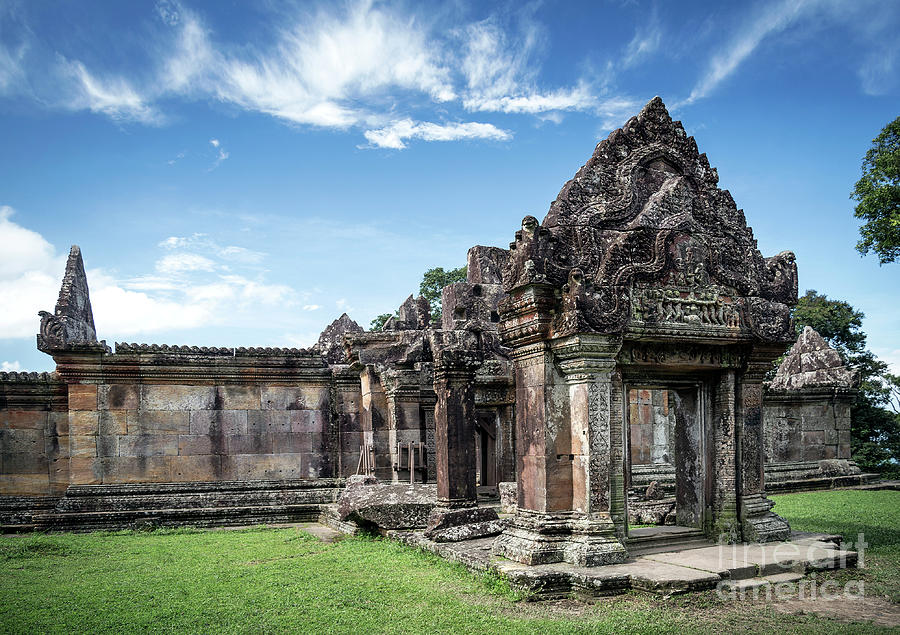
The temple site was first identified in the 19th century by French explorers, who were captivated by its striking location and unique architecture. The temple itself dates back to the early 11th century when it was constructed by the Khmer Empire. It was originally dedicated to the Hindu god Shiva, but after sustained contact with Buddhism, it was eventually converted into a Buddhist shrine.
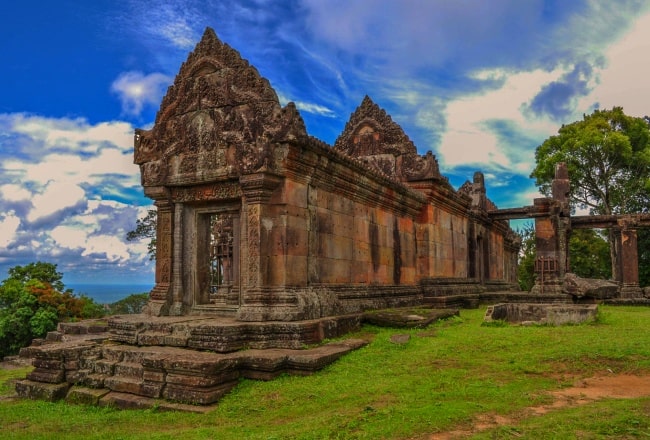
The temple's grandeur is immediately apparent upon first viewing. The complex spans over 500 acres and consists of several large pavilions and courtyards, each adorned with intricate carvings and sculptures. Despite centuries of decay and neglect, much of the temple's original splendor has been preserved, making it a must-visit destination for those interested in ancient architecture.
But the temple's history is not just one of beauty and grandeur. It has also been a source of conflict and controversy between Cambodia and neighboring Thailand. The temple's location along the border between the two nations has made it a subject of territorial disputes for decades, culminating in the temple's designation as a UNESCO World Heritage site in 2008.
Despite these challenges, the Preah Vihear Temple continues to stand as a testament to the ingenuity and artistry of the Khmer Empire. It is a reminder of a time long gone but not forgotten and a testament to the resilience of Cambodia and its people.
Demographics and Culture
Cambodia is a nation with a rich and complex history. Its people are a blend of Khmer, Chinese, and Vietnamese ancestry, each contributing to the country's vibrant culture in unique ways. The official language of Cambodia is Khmer, but many people also speak English and French.
The majority of Cambodians practice Theravada Buddhism, which has deep roots in the country's history and culture. Other religions, such as Islam and Christianity, also have a presence in Cambodia, though they are less prevalent.
Traditional Cambodian culture places a strong emphasis on family and community. Respect for elders and ancestors is also an important part of the country's social fabric. Khmer cuisine is known for its bold flavors and use of fresh ingredients, with dishes such as Amok and Khmer curry being particular favorites.
Tourist Destinations
Besides the Preah Vihear Temple, Cambodia is home to a variety of other unique and fascinating tourist destinations. The Angkor Archaeological Park, for example, is a sprawling complex of ancient ruins dating back to the Khmer Empire. The park is home to several iconic temples, including the famous Angkor Wat, which is considered one of the world's greatest architectural achievements.
The city of Phnom Penh is Cambodia's capital and is known for its beautiful French colonial architecture, lively markets, and delicious street food. The Royal Palace and Silver Pagoda are two of the city's most popular attractions.
For those looking for a more adventurous experience, Cambodia's beaches and islands offer a laid-back atmosphere and beautiful scenery. Koh Rong is one of the country's most popular island destinations, with white sand beaches and crystal-clear waters perfect for swimming and snorkeling.
Shopping and Culinary
Cambodia is a great place to indulge in some shopping and culinary delights. Night markets such as the one in Siem Reap offer a wide range of locally made handicrafts, souvenirs, and street food. The market is particularly popular among tourists, and its bustling atmosphere is a must-see experience.
Khmer cuisine is a highlight of any visit to Cambodia. From the street vendors selling grilled meats and fresh fruit to the more upscale restaurants offering traditional dishes such as fish amok and beef lok lak, there is something to suit every taste and budget.
Tips
When traveling to Cambodia, it is important to take certain precautions to ensure a safe and enjoyable trip. Here are some tips to keep in mind:
- Be sure to have all necessary vaccinations before traveling to Cambodia.
- Take precautions against mosquito bites, as dengue fever and malaria are present in some areas.
- Avoid drinking tap water and only eat food that has been thoroughly cooked and served hot.
- Respect local customs and dress modestly when visiting temples or other religious sites.
- Be wary of scams and pickpockets, particularly in tourist areas.
FAQ
Q: Is it safe to travel to Cambodia?
A: Cambodia is generally a safe and welcoming place to visit. However, travelers should exercise caution when wandering out after dark and avoid unlit areas.
Q: What is the best time of year to visit Cambodia?
A: The best time to visit Cambodia is between November and March, when the weather is cooler and drier.
Q: Do I need a visa to travel to Cambodia?
A: Yes, visitors to Cambodia need a visa. Visa applications can be completed online or obtained at the airport upon arrival.
Cambodia is a land of great natural beauty, historical significance, and cultural richness. From the ancient ruins of the Preah Vihear Temple to the beautiful beaches of Koh Rong, there is something to suit every traveler's taste. So, if you're looking for your next adventure, consider Cambodia – you won't regret it!
Post a Comment for "Krong Preah Vihear: Gateway To The Ancient Temples"