Sathkira: Land Of Sundarbans And Mangrove Enchantment
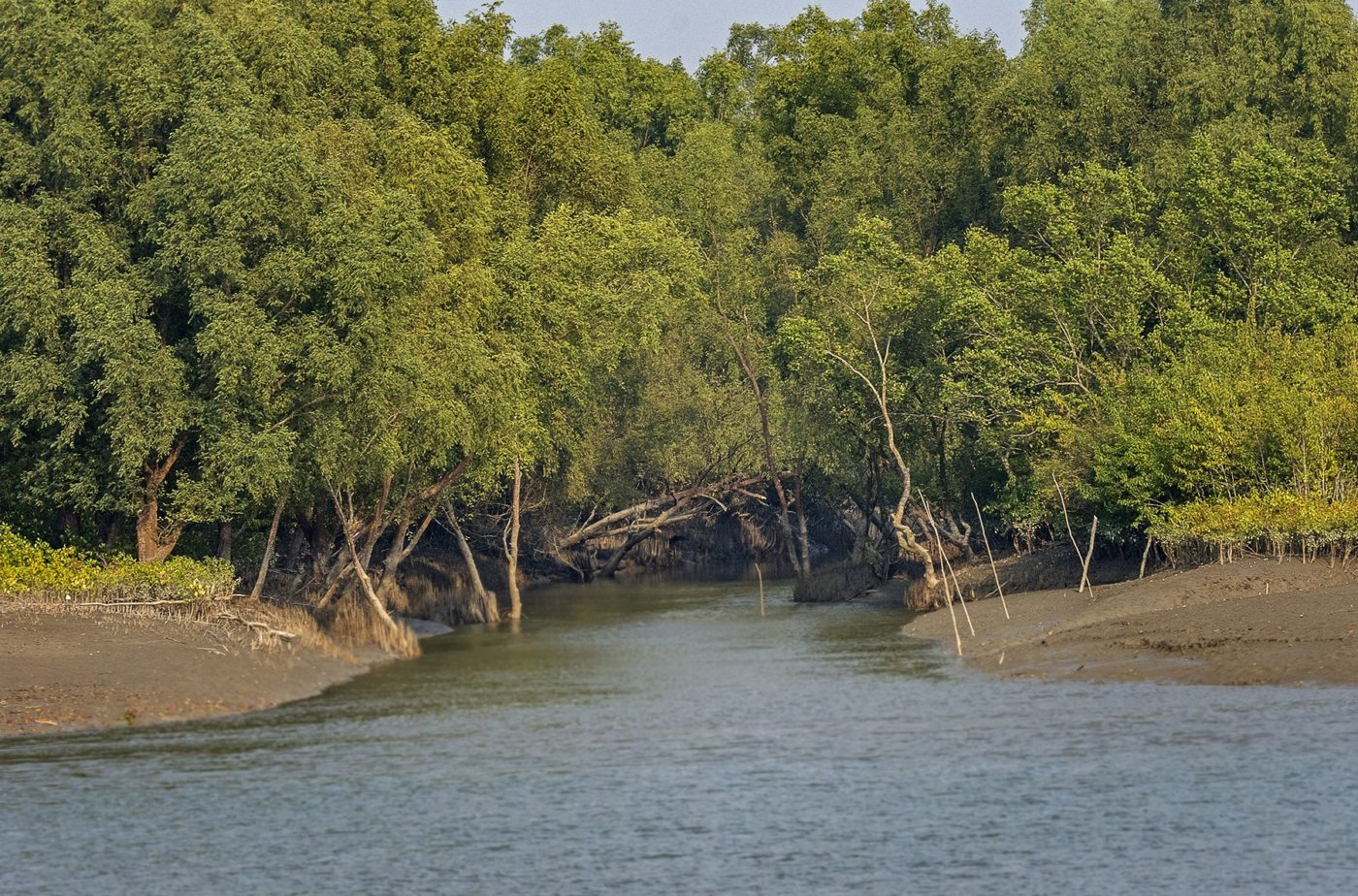
Mangroves trees play an important role in our ecosystem. Not only do they provide habitat for marine life, but they also protect coastlines from erosion and storms. Unfortunately, the mangroves in the Sundarbans, a large delta in South Asia, are under threat from a variety of factors, including erosion.

Erosion is a natural process, but it has been exacerbated in the Sundarbans by human activities such as cutting down trees and dredging rivers for shipping channels. In addition, rising sea levels caused by climate change are making erosion worse and threatening the survival of the mangroves.
What makes the Sundarbans so special is its location at the intersection of saltwater and freshwater, creating a unique ecosystem of both land and water plants and animals. The Sundarbans is also home to the Royal Bengal tiger, one of the most endangered species of tiger in the world.
If we don't take action to protect the Sundarbans mangroves, we risk losing not only a vital part of our ecosystem, but also the incredible cultural and tourist destinations that exist in the region. Here is a brief overview of what you can expect to discover when visiting the Sundarbans:
Demographics and Culture
The Sundarbans is home to over 4 million people, the majority of whom live in poverty. These people rely on the mangroves for their livelihoods, including fishing, honey production, and collecting wood for fuel. The culture of the Sundarbans is rich and diverse, with influences from Hindu, Muslim, and indigenous traditions.
One of the most fascinating aspects of Sundarbans culture are the rituals performed to appease Bonbibi, the forest goddess who protects the people and animals of the mangroves. Bonbibi is known for her compassion and protection of those who enter the mangroves, and her influence can be seen in many aspects of Sundarbans culture.
Tourist Destinations
Despite the challenges facing the mangroves, there are still many incredible tourist destinations to visit in the Sundarbans. One of the most popular attractions is the Tiger Reserve, where you can take a boat tour to see the tigers in their natural habitat.
There are also many other wildlife sanctuaries in the Sundarbans, including the Sajnakhali Wildlife Sanctuary and the Lothian Island Wildlife Sanctuary. These sanctuaries are home to a wide variety of animals, including crocodiles, monkeys, and birds.
For those interested in history, the Sundarbans also has several fascinating historical sites to explore, such as the ruins of the Netidhopani Temple and the ancient city of Bagerhat.
Shopping and Culinary
The Sundarbans is famous for its honey, and it is one of the most popular items for visitors to buy. In addition to honey, you can also find handmade crafts and souvenirs in the local markets.
The cuisine of the Sundarbans is heavily influenced by the seafood harvested from the mangroves. Specialties include shrimp, crab, and a variety of fish dishes. Coconut is also a staple ingredient in many dishes.
Tips
If you're planning a trip to the Sundarbans, here are a few tips to keep in mind:
- Bring plenty of insect repellant, as mosquitos and other bugs are common in the mangroves.
- Be respectful of the local culture and customs.
- Dress appropriately for the climate (hot and humid) and for visiting places of worship.
- Take precautions to protect yourself from the sun, such as wearing a hat and sunscreen.
FAQ
Q: Is it safe to visit the Sundarbans?
A: Yes, it is safe to visit the Sundarbans as long as you follow local laws and customs and take necessary precautions to protect yourself.
Q: What is the best time to visit the Sundarbans?
A: The best time to visit the Sundarbans is between November and February when the weather is cooler and dry. However, it is still possible to visit year-round.
Q: Can I see tigers in the Sundarbans?
A: Yes, there is a good chance of seeing tigers in the Sundarbans. However, it is important to remember that they are wild animals and sightings are not guaranteed.
Q: How can I help protect the mangroves in the Sundarbans?
A: There are several ways to help protect the mangroves, including supporting conservation efforts, minimizing your environmental impact when visiting, and raising awareness about the importance of mangroves and the threats they face.
Overall, the Sundarbans is a remarkable and unique part of our planet that deserves our attention and protection. By visiting, supporting and respecting the local communities, we can help ensure that the mangroves and all that they provide continue to thrive for generations to come.
Post a Comment for "Sathkira: Land Of Sundarbans And Mangrove Enchantment"