Zayed City: The City Of Sustainability
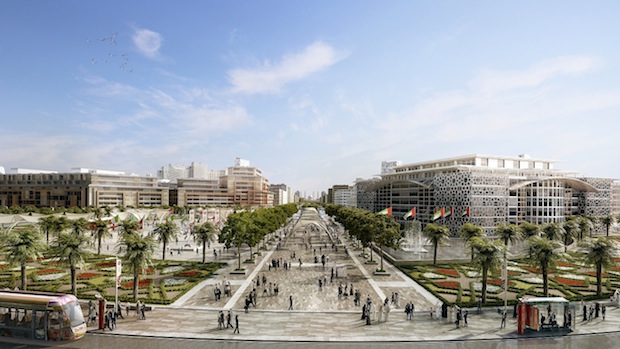
The Zayed City project in Abu Dhabi, with a budget of Dhs3.3bn, is set to be completed by 2020. This mega project is a testament to the visionary leadership of Abu Dhabi and its commitment to create world-class infrastructure for its citizens and visitors. The Zayed City project is not just an engineering marvel, but also an embodiment of the cultural aspirations of people in the UAE. It reflects the values and ethos of the late Sheikh Zayed bin Sultan Al Nahyan, who is regarded as the founding father of the nation and a symbol of hope, progress and unity.

The Zayed City project is also a reflection of the demographics and culture of Abu Dhabi. The city has a diverse population, with people from different parts of the world coming together to create a vibrant and cosmopolitan society. The Zayed City project will offer state-of-the-art facilities and amenities that cater to the needs of this diverse population. The project will include residential areas, hotels, retail outlets, offices, parks, and public spaces. The project is designed to be sustainable and eco-friendly, with a focus on reducing carbon footprint and promoting renewable energy sources.
Abu Dhabi is not only known for its grand infrastructure projects, but also for its tourist destinations. The city is home to some of the most visited tourist attractions in the world. One of the most famous tourist spots in Abu Dhabi is the Sheikh Zayed Grand Mosque, which is one of the largest mosques in the world. The mosque is a masterpiece of Islamic architecture and design, and is a must-visit for anyone interested in history, culture, and religion. Another popular tourist attraction in Abu Dhabi is the Abu Dhabi Corniche, which is a seven-kilometer promenade that offers breathtaking views of the Arabian Gulf.
Shopping is an integral part of the culture of Abu Dhabi. The city has a wide variety of shopping destinations that cater to all types of shoppers. The Marina Mall, the Abu Dhabi Mall, and the Yas Mall are some of the most popular shopping destinations in the city. These malls offer a range of international and local brands, and have a variety of entertainment options, such as cinemas, bowling alleys, and restaurants. The city also has souks, which are traditional Arabic markets that offer a unique shopping experience. The Souk Qaryat Al Beri and the Souk Central Market are two of the most popular souks in Abu Dhabi.
Culinary delights are also a major attraction in Abu Dhabi. The city has a rich and diverse culinary heritage, with influences from Arabic, Indian, Iranian, and Lebanese cuisines. Arabic food is a particular favorite among locals and tourists, with dishes such as shawarma, hummus, and falafel being popular choices. Indian food is also widely available in Abu Dhabi, with restaurants offering a range of vegetarian and non-vegetarian dishes. Lebanese cuisine is also gaining popularity in the city, with restaurants such as Zahr El-Laymoun and Abd el Wahab serving authentic Lebanese cuisine.
The Zayed City project is a reflection of the aspirations and vision of the people of Abu Dhabi. It is a symbol of progress, development, and sustainability. The project will not only attract tourists and visitors, but also provide a high quality of life for the residents of Abu Dhabi. The city is a testament to the UAE's commitment to creating a better future for its citizens and the world at large. As Sheikh Zayed bin Sultan Al Nahyan once said, "The greatest use of life is to spend it for something that will outlast it." The Zayed City project is a true embodiment of this principle.


Post a Comment for "Zayed City: The City Of Sustainability"